The Deadline for Support Payment Requests under the FOSTER II SME Support Mechanism Has Been Extended to August 15, 2026!

The deadline for support payment requests for winning SMEs within the FOSTER II Project’s Employment Committed SME Support Programme has been extended to August 15, 2026!

You may submit your payment requests for the first payment period by clicking “İstihdam Taahhütlü Kobi Destek Programı-II Başvurusu” at the link below until August 15, 2026, by 11:59:59 PM.

Link: https://edevlet.kosgeb.gov.tr/EHizmetler/Index?ReturnUrl=%2f

Disbursement of FOSTER II SME Support Mechanism Support Payments Begins!

Support payments for winning SMEs are beginning under the FOSTER II Project’s Employment Committed SME Support Programme!

You may submit your payment requests for the first payment period by clicking “İstihdam Taahhütlü Kobi Destek Programı-II Başvurusu” at the link below until July 15, 2026, at 11:59:59 PM.

Link: https://edevlet.kosgeb.gov.tr/EHizmetler/Index?ReturnUrl=%2f

Additional 731 SMEs will be supported within FOSTER II SME Support Mechanism!

Additional 731 SMEs will be supported under the FOSTER II Project’s Employment Committed SME Support Programme.

Among the SMEs evaluated during the application period between December 1 and December 31, 2025, the top 731 highest-scoring SMEs, with priority given to those on the waiting list, have qualified for the Employment Committed SME Support Programme.


The list of SMEs entitled to receive support is provided below. For these SMEs, the support period will commence as of June 1, 2026, and will last for 16 months. Considering the overall implementation period of the FOSTER II Project, there will be no additional payment period for these SMEs.

Click for the list of winning SMEs

FOSTER Project Team Conducted a Study Visit to Austria!

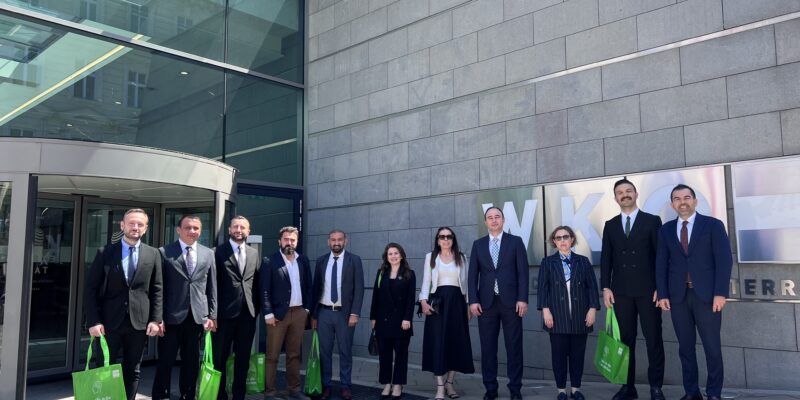
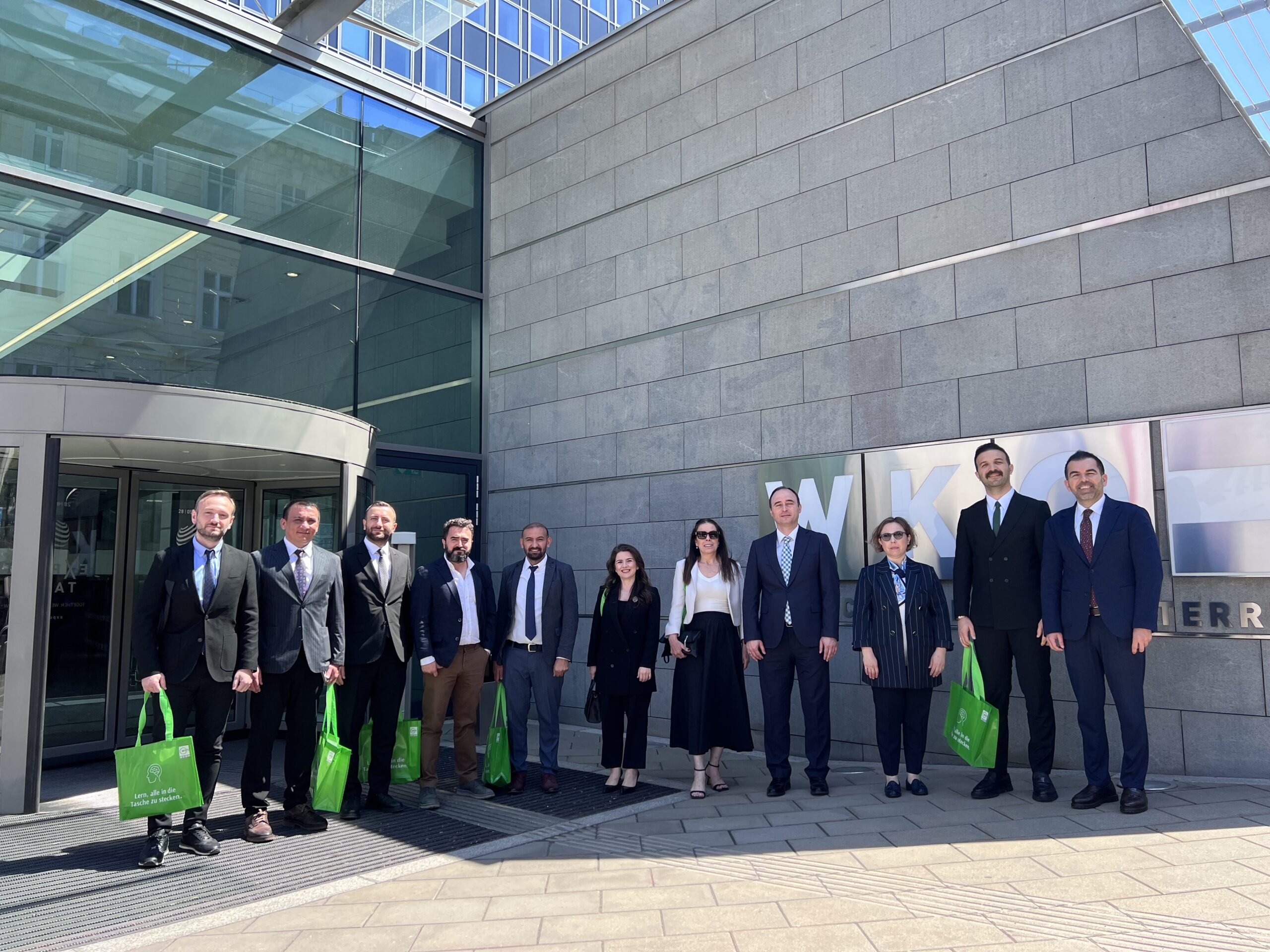
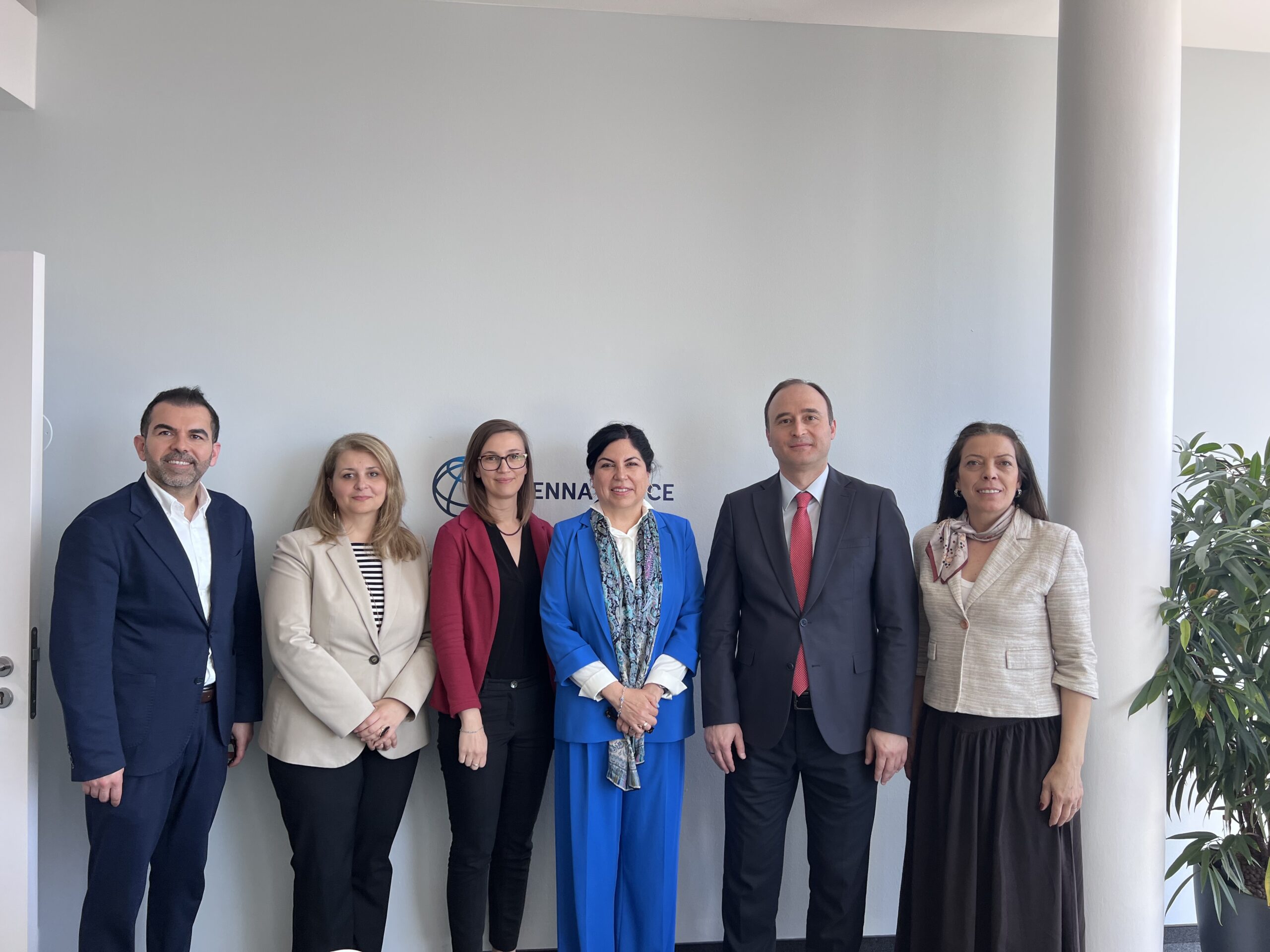
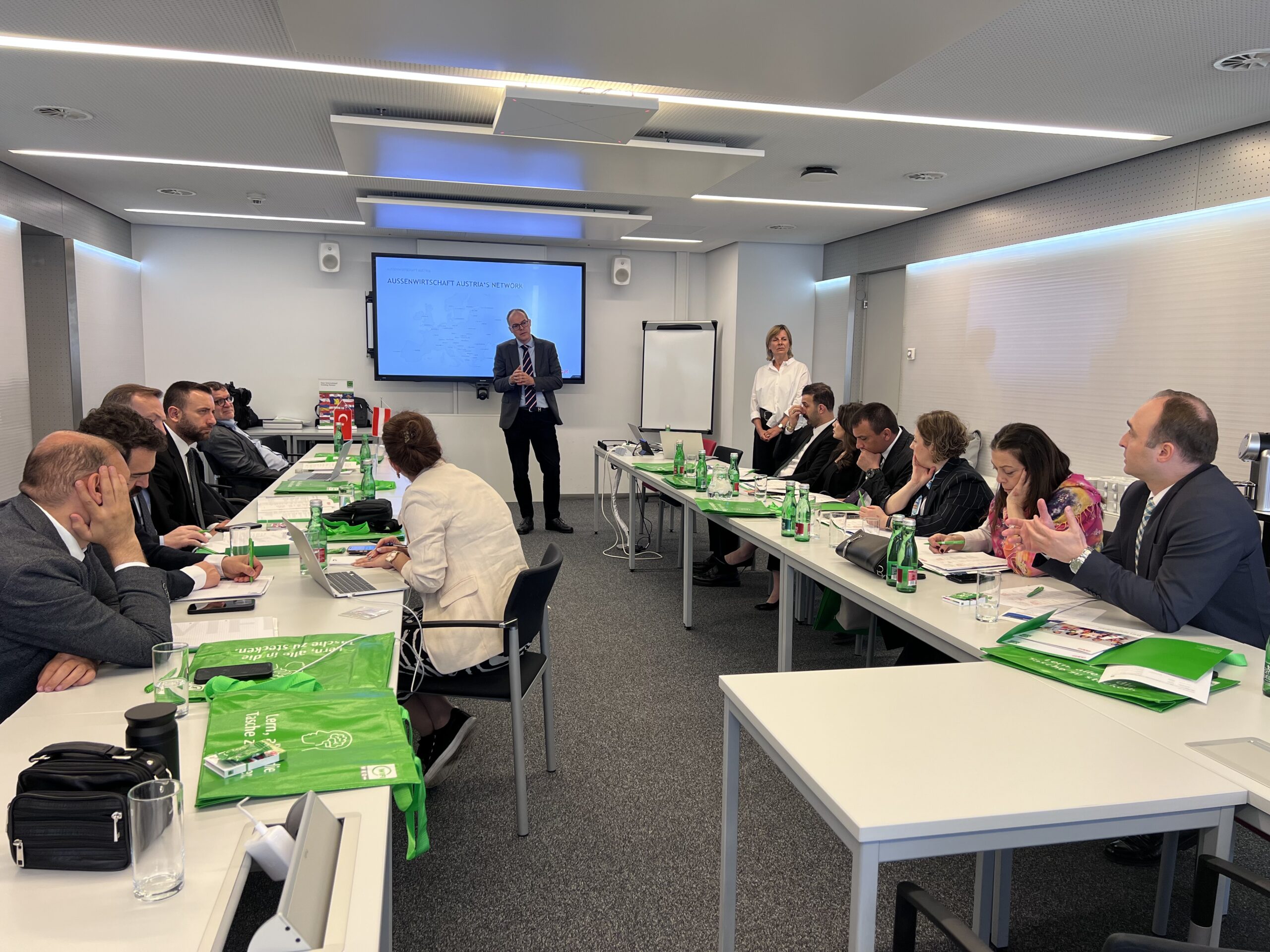
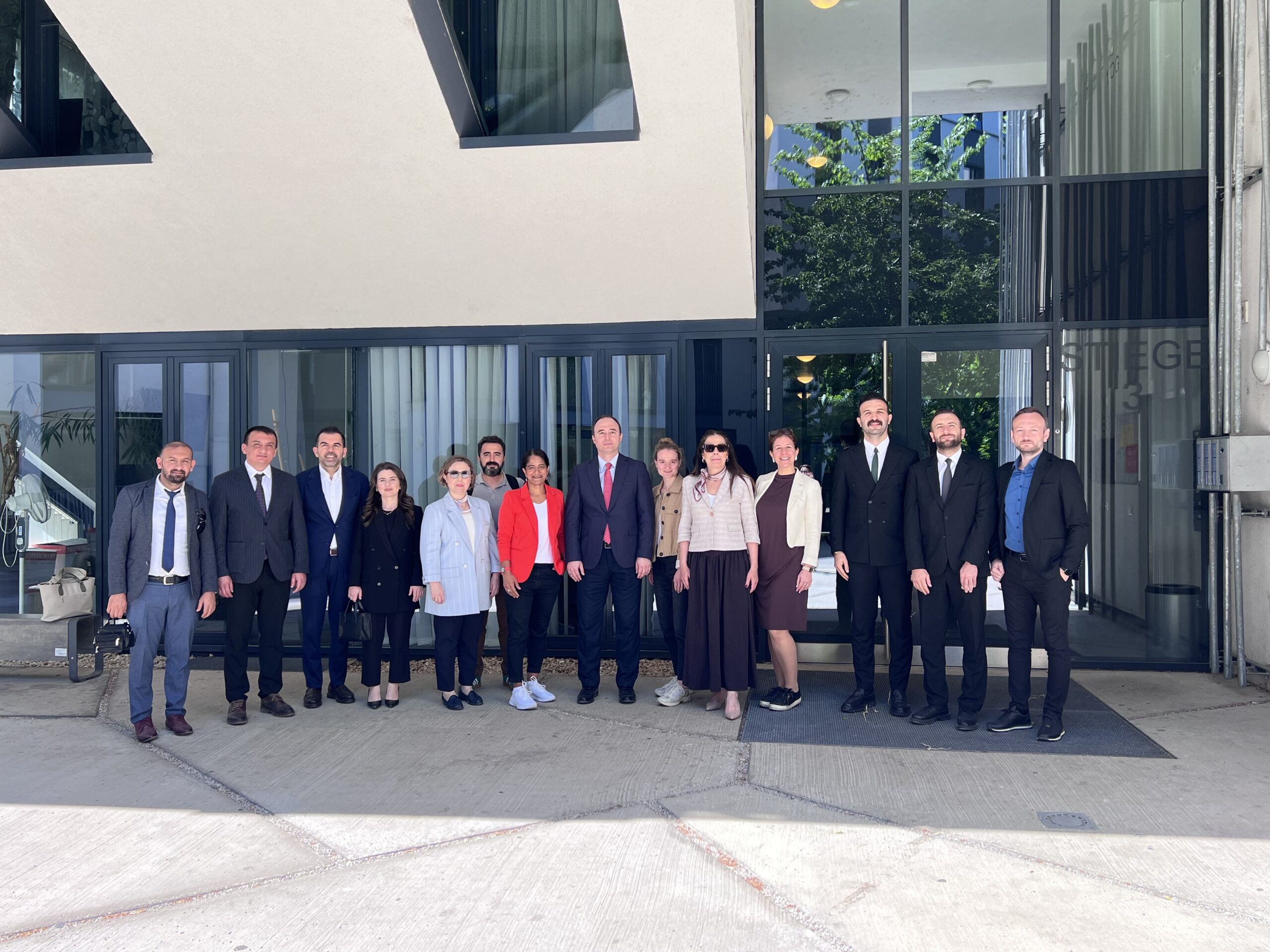
Within the framework of the FOSTER II Project, the study visit conducted to Vienna, Austria, with the KOSGEB Delegation has been successfully concluded with fruitful discussions.

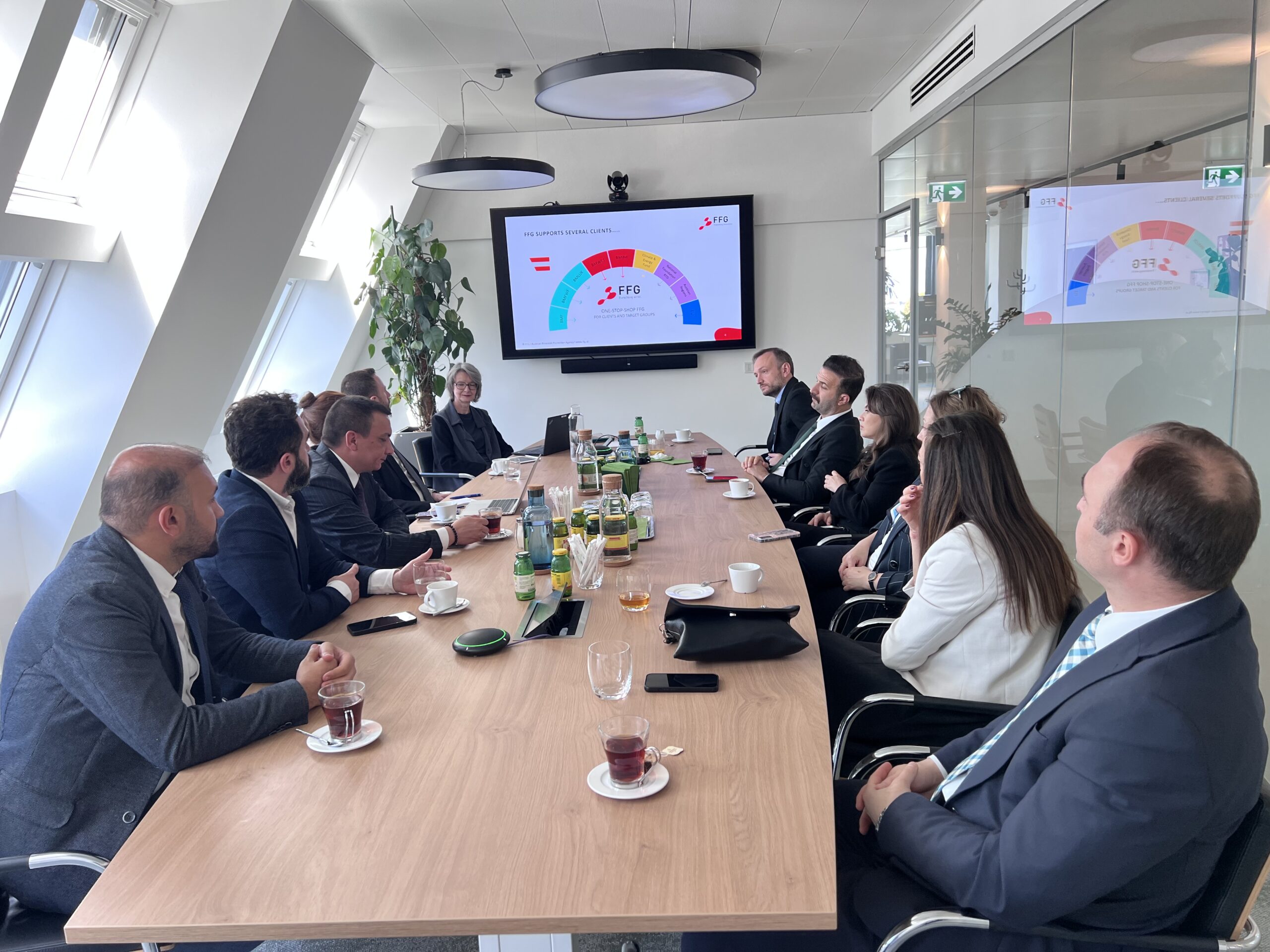
This study visit served as an invaluable opportunity to conduct strategic dialogues with Austrian national authorities and international institutions on key areas, such as SME support mechanisms, entrepreneurship ecosystems, financing of innovation, R&D initiatives, and inclusive employment policies.

We express our sincere gratitude to the representatives of WIFI/WKO (Austrian Economic Chambers), FFG (Austrian Research Promotion Agency), ABA Work in Austria (Service Agency for Residence), ICMPD (International Centre for Migration Policy Development), ACR (Austrian Cooperative Research), and the World Bank Group for their kind hospitality and for sharing their profound insights during the sessions.

We Conducted Field Visits in Şanlıurfa with KfW Development Bank!

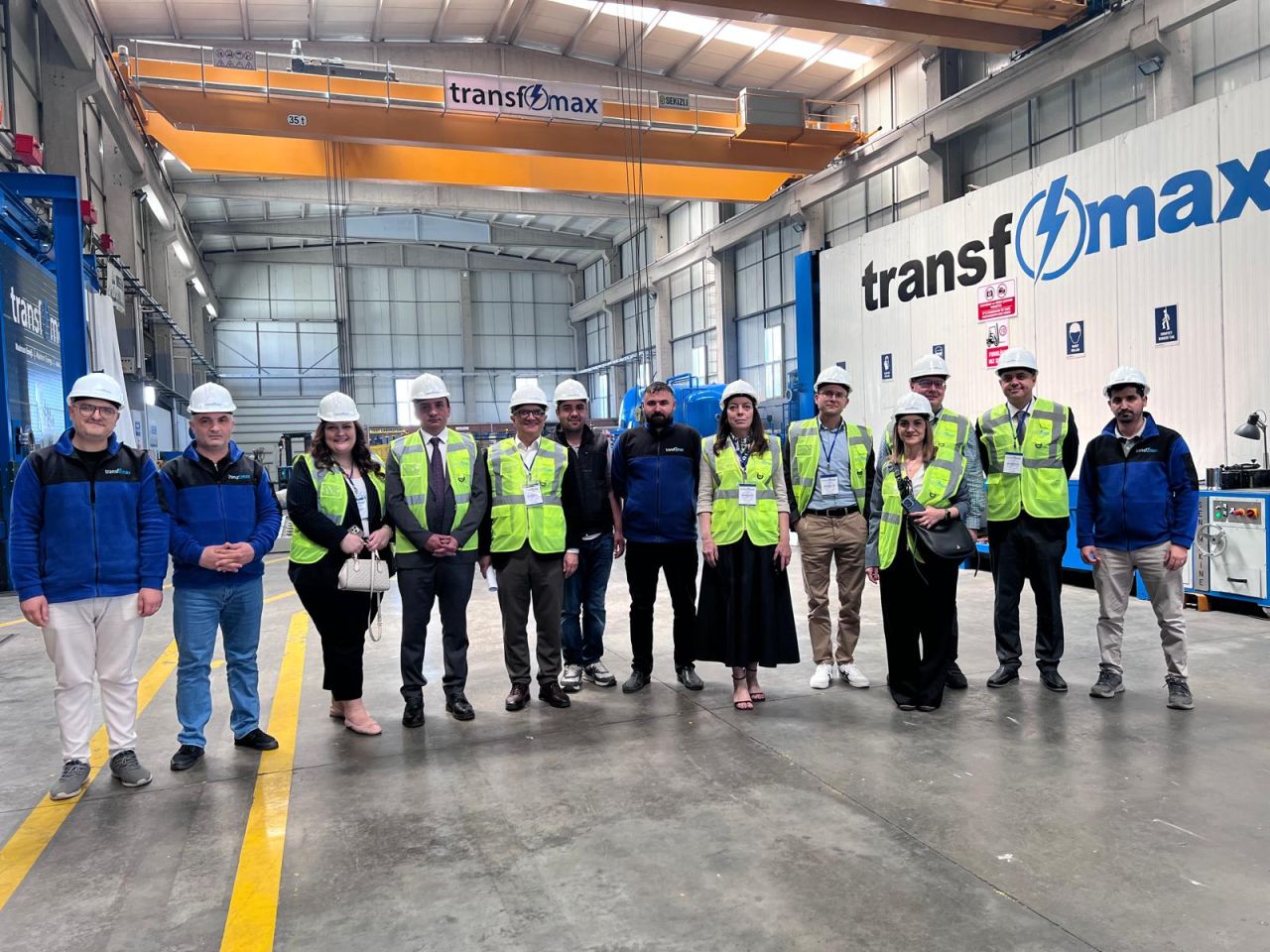
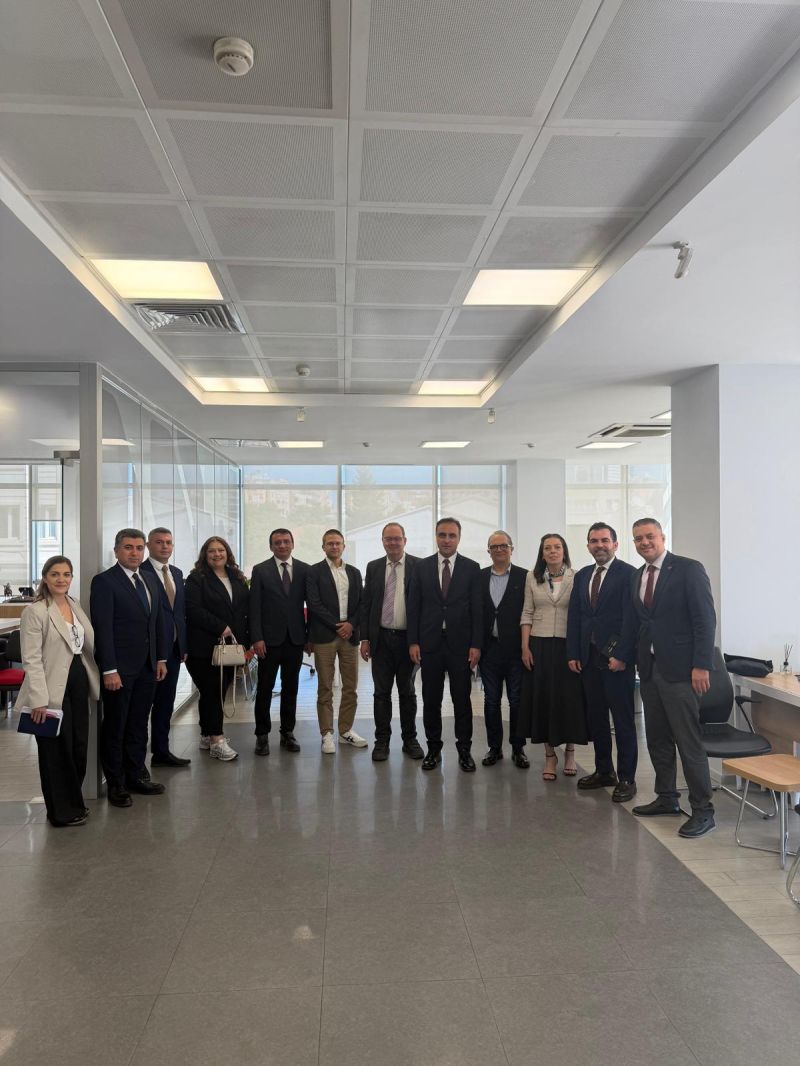
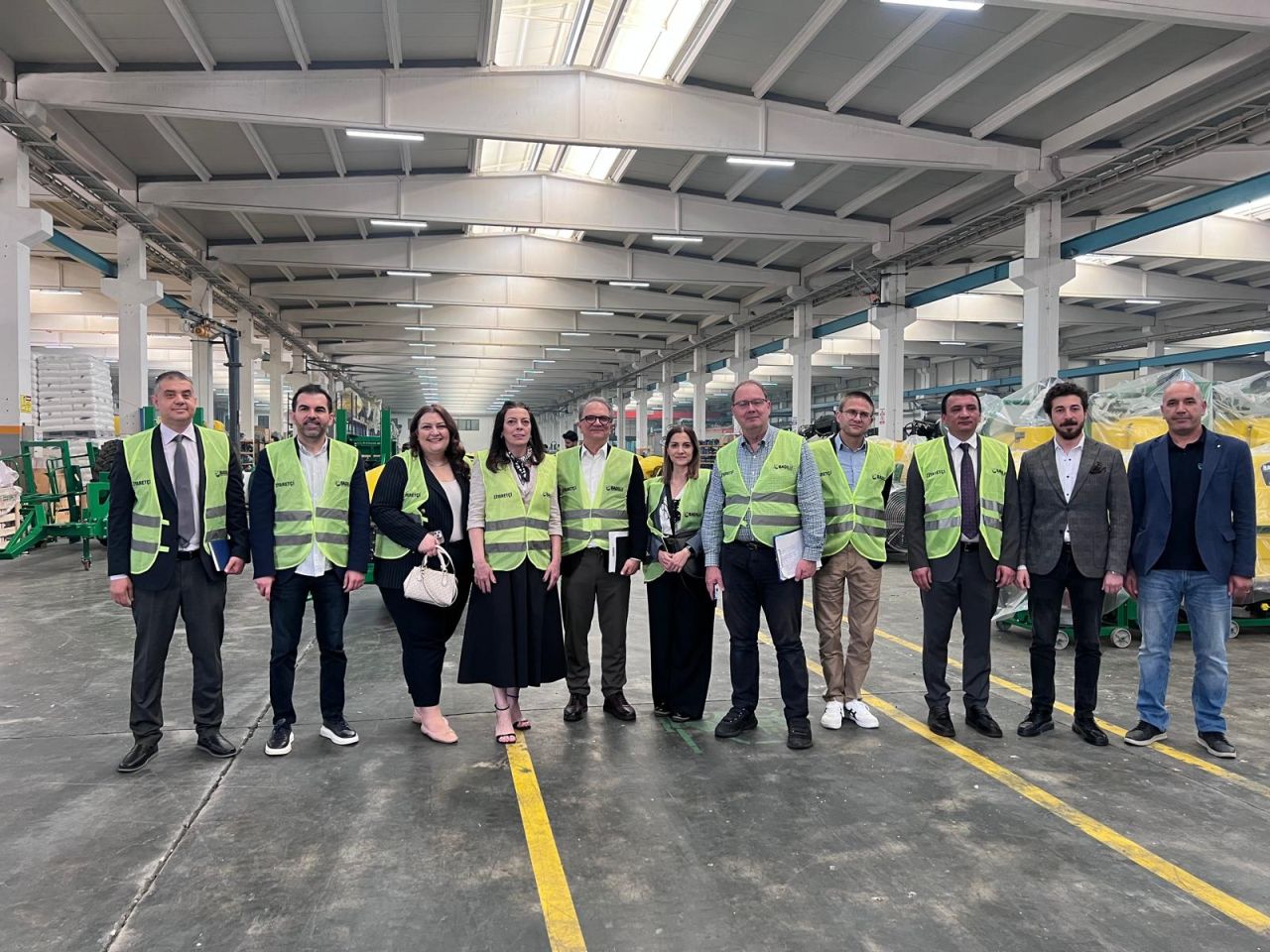
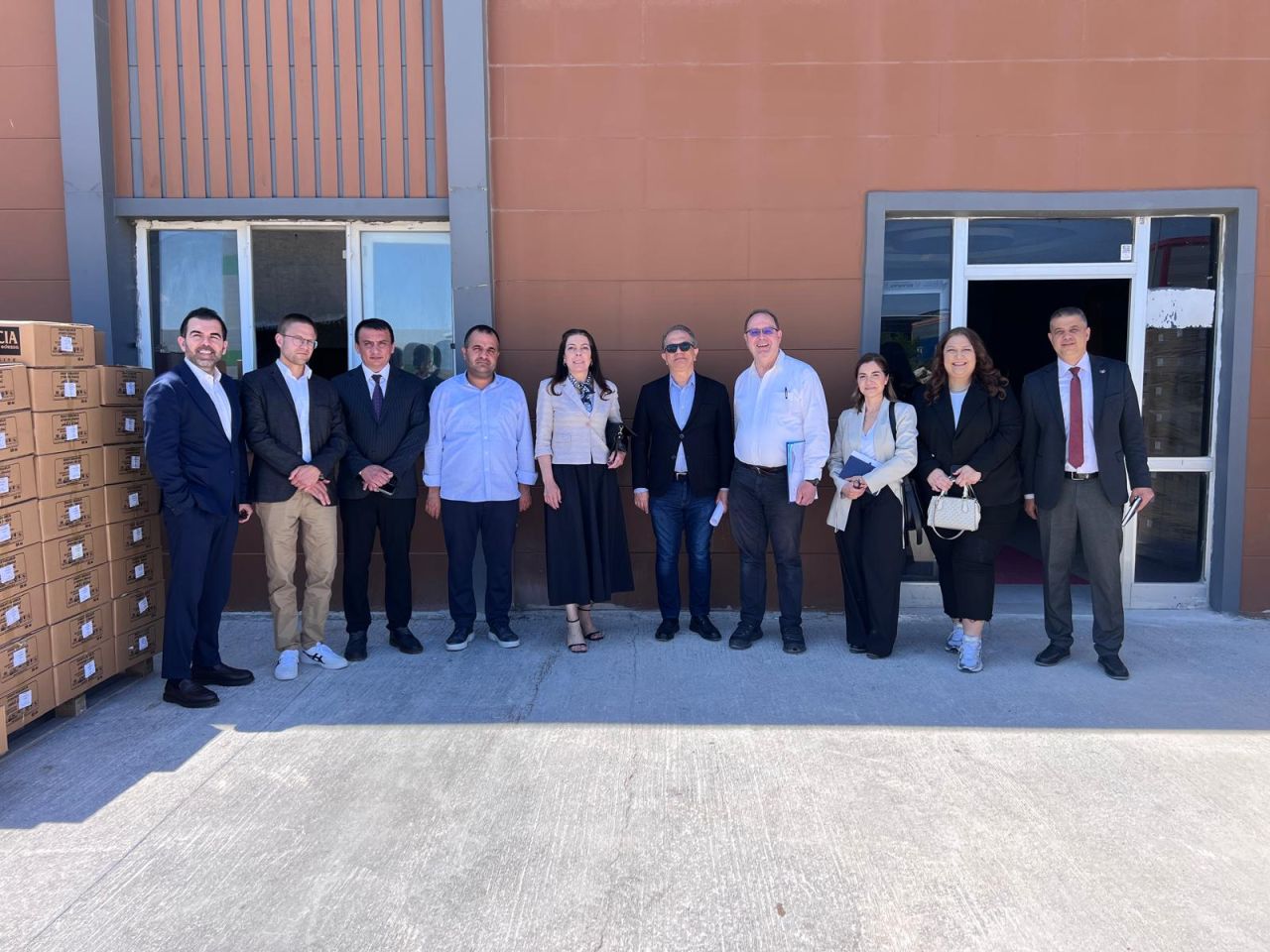
As part of the KfW Development Bank’s closing mission for FOSTER Project, we visited our beneficiary SMEs in Şanlıurfa and our project partner, Ziraat Bank Regional Directorate, together with the KfW Delegation.

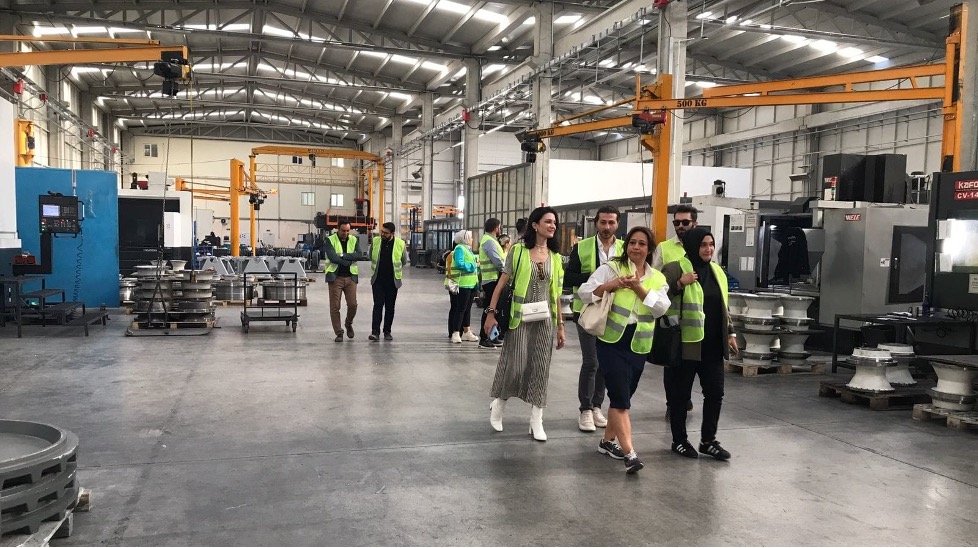
By visiting the production sites of our beneficiary SMEs, Mis Furkan Kurabiyeleri, Badıllı Makine ve Tarım, Trafomaks Transformatör, and Kılıçlar İthal Mutfak Gereçleri, we had the opportunity to observe firsthand the transformation achieved through project support, the increase in production capacity, and the employment opportunities contributed to the local economy.

The evolution of these enterprises once again proves the vital role that FOSTER Project plays in local development. We remain committed to supporting the growth journey of our SMEs through the Project.


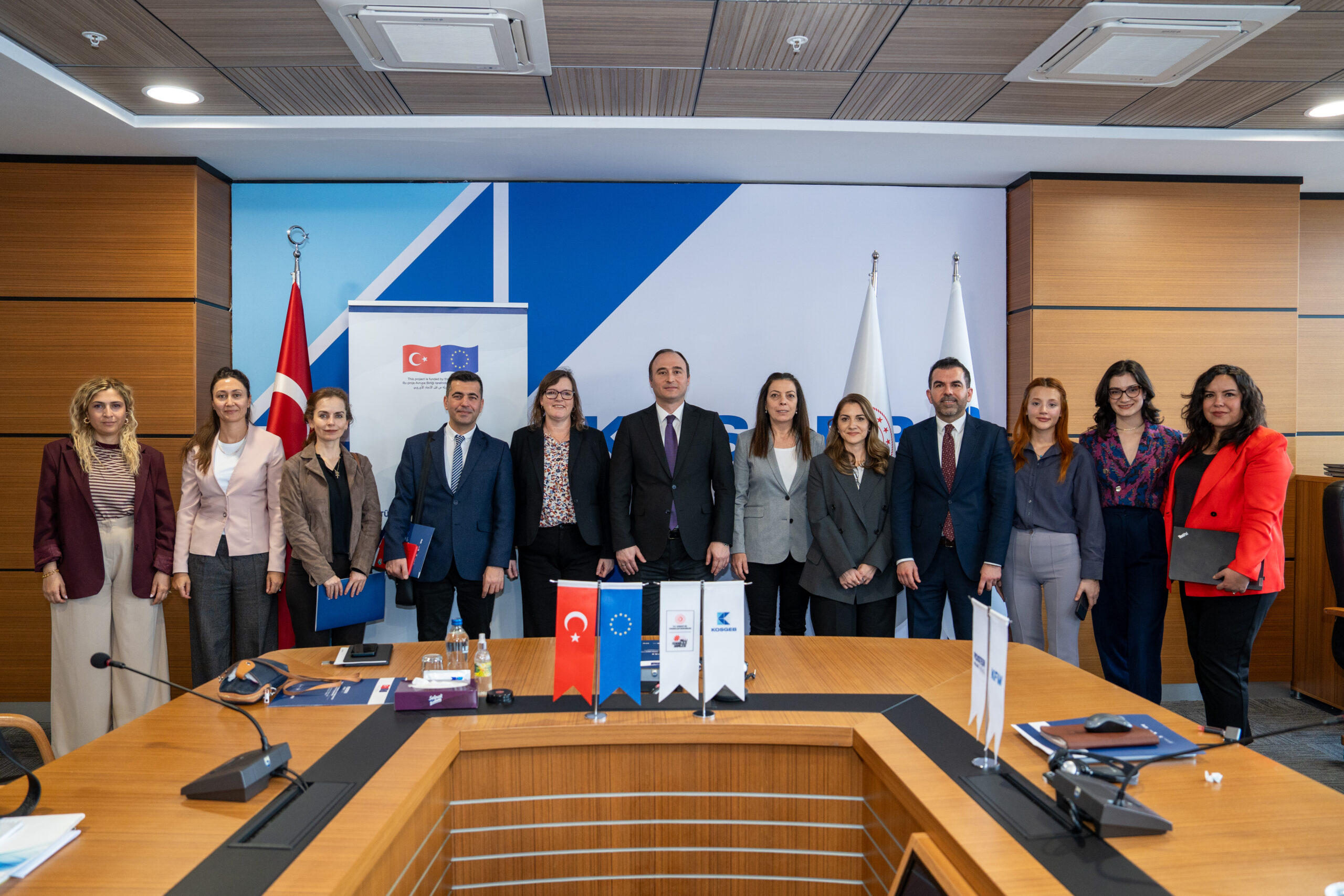
We Came Together for the 4th Steering Committee Meeting of the FOSTER II Project!

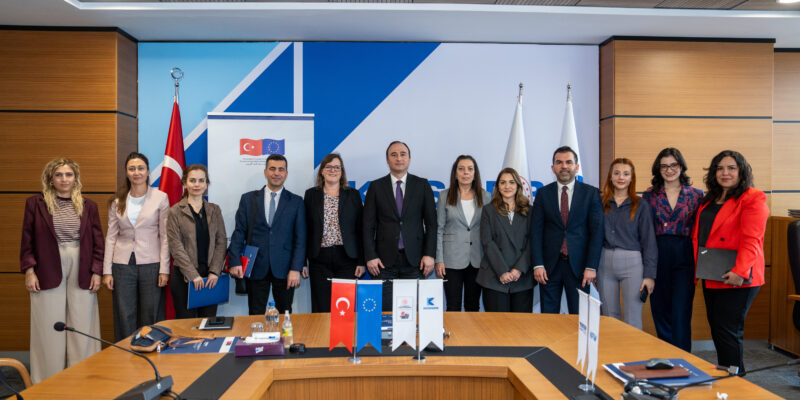
We have successfully completed another significant milestone within the FOSTER II – Empowering the Private Sector to Foster Social and Economic Cohesion II Project. The 4th Steering Committee Meeting of the project was hosted by KOSGEB on February 17, 2026, with the participation of the Delegation of the European Union to Türkiye, KfW Development Bank, and our esteemed stakeholders.

During the meeting, the current status of loan disbursements and support payments under the FOSTER II Finance Support Programme, updates on the applications and winning SMEs under the SME Support Programme, progress made in the other pillars of the project and upcoming activities were shared with all our stakeholders.

Furthermore, the remarkable findings obtained from the employment impact assessment conducted under the FOSTER I Project were presented to the participants.


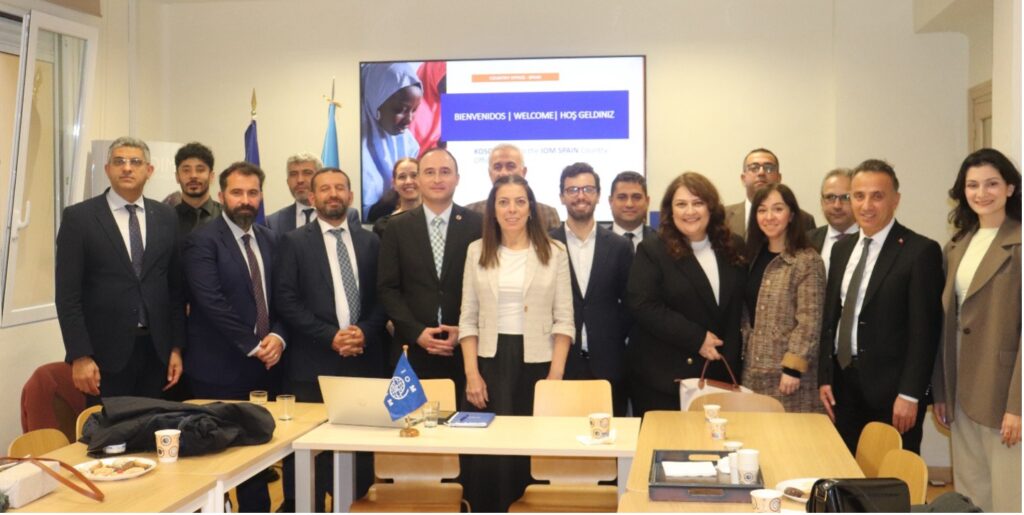
Project Team was in Spain for Study Visit within the FOSTER Project!

Within the scope of the FOSTER Project, financed by the European Union, managed by KfW Development Bank, and implemented by KOSGEB, a Delegation composed of the KOSGEB Vice President, Department Head, Managers, and the Project Team Leader conducted a study visit to Madrid, Spain, on November 13-14, 2025. 

The purpose of the visit was to examine successful international models on site, further develop employment-oriented support mechanisms, and expand the project’s impact.

In line with the priority areas of the FOSTER Project, the Delegation visited key institutions in Madrid including the Public Employment Service (SEPE), FUNDAE, the International Organization for Migration (IOM) Spain, and La Nave one of the city’s leading entrepreneurship hubs. 

During the programme:

▪ Spain’s national employment policies and strategic approaches were discussed,

▪ The qualified training models provided by FUNDAE were reviewed,

▪ In-depth exchanges were held on the integration of foreigners into the labour market and on IOM’s projects and activities in Spain,

▪ Innovative practices were observed at La Nave, a central actor in Madrid’s start-up ecosystem.

The meetings and exchanges provided valuable insights and collaboration opportunities that will contribute to strengthening the FOSTER Project’s approach in the areas of employment, integration, and entrepreneurship.

Sanayi Logo Kosgeb Logo KFW Logo

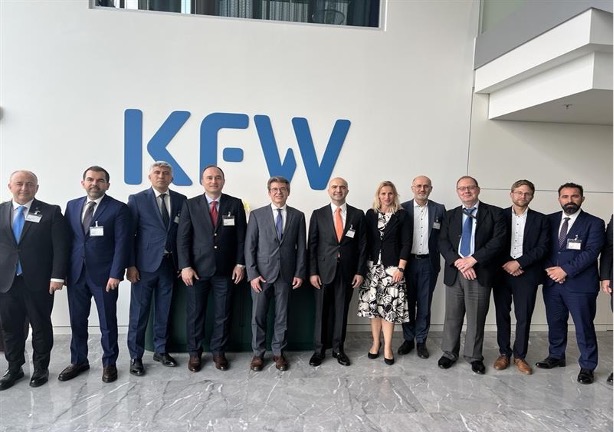
The FOSTER Project Delegation was in Frankfurt at the Heart of Finance and Innovation!

Within the scope of the FOSTER Project, a Delegation led by the KOSGEB President carried out a study visit to Frankfurt, Germany, between June 15 – 17, 2025. The visit aimed to examine international financing opportunities and obtain information about SME support mechanisms. 

As part of the program, the Delegation held critical discussions in Frankfurt, as Europe’s leading financial hub, regarding SME financing, green transformation, and the entrepreneurship ecosystem.

Visit to KfW Development Bank 

The first stop of the programme was the headquarters of KfW Development Bank, where high-level meetings were held. Key topics discussed included: 

▪ SME Support and Financing Instruments: Comprehensive insights were shared on KfW’s current SME support programs and financing instruments.

▪ Focus on Women’s Empowerment in Finance: The latest trends in SME finance and opportunities for financial cooperation with a focus of empowerment of women were examined.

▪ Venture Capital and Fund-of-Funds: Detailed presentations were delivered on the structure of KfW Capital, as well as venture capital and fund-of-funds mechanisms.

▪ Innovative Solutions: Exchange of experience was made regarding innovative financial tools that support entrepreneurship and SME growth.

Visit to Frankfurt School of Finance & Management

In the second phase of the programme; the Delegation visited the campus of Frankfurt School of Finance & Management. Bringing together academic expertise and practical application, the visit included: 

• Capacity Building: The university’s thematic programs and expertise capacity development activities were examined.

• Entrepreneurship Centre: The Delegation visited the Entrepreneurship Centre and got involved in an exchange of ideas with young entrepreneurs.

Throughout the visit, expert presentations focused on SME ecosystems of Europe and Germany, support structures, and particularly Green Transformation strategies. Sustainability initiatives and executive education programs were among the significant outputs that will contribute to the future vision of KOSGEB and the project.

Sanayi Logo Kosgeb Logo KFW Logo

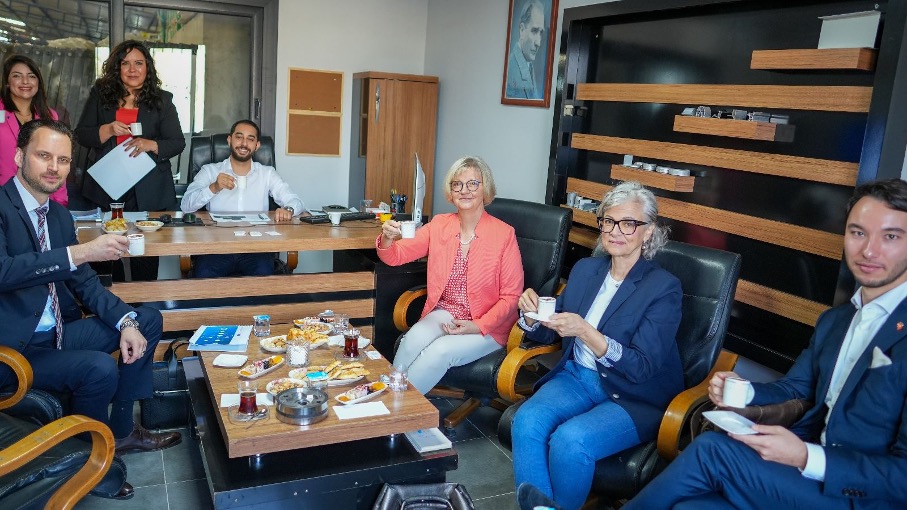
German Ambassador Mrs. Sybille Katharina Sorg Visits the FOSTER Project in Hatay!

The German Ambassador to Türkiye, Mrs. Sybille Katharina Sorg, visited a beneficiary SME in Hatay to observe the on-the-ground implementation and success stories of the FOSTER Project.

German Ambassador Sorg was accompanied by Mr. Christian Garve, Country Director of KfW Türkiye; Mr. Johannes Drijkoningen, Deputy Head of the Economic Section at the German Embassy; and representatives of the Implementation Consultant, Frankfurt School. On November 7, 2025, the Delegation visited Setal Alüminyum, one of the exemplary SME beneficiaries of the FOSTER Project in Hatay.

During the visit, a comprehensive presentation was delivered on the overall framework and progress of the FOSTER Project. The Delegation toured Setal Alüminyum’s production facilities to closely examine its operations. Company shared firsthand how the support provided under the FOSTER project has contributed to their production capacity.

This high-level visit reaffirmed the FOSTER Project’s contribution to the local economy and employment, underlining its critical role in enhancing the resilience of SMEs.

Sanayi Logo Kosgeb Logo KFW Logo

What Will be Different in FOSTER II E&S Activities Based on Our Experience with FOSTER I Project?

The experiences gained during the FOSTER I Project demonstrated that integrating Environmental and Social (E&S) considerations are not merely technical requirement, but a matter of institutional mindset and approach. Rather than simply explaining “what should be done,” our approach focused on making field practices visible and collectively building environmental and social awareness across the project ecosystem.

What was achieved under FOSTER I:

• A project portfolio of approximately 7,000 SMEs was managed.

• On-site monitoring and verification activities were carried out for around 1,000 SMEs within this portfolio.

Within the established E&S framework:

• SMEs were classified according to sector-based risk categories

• A preliminary screening (exclusion) process was applied to ineligible activities.

• Higher-risk enterprises were subject to on-site monitoring visits

This structured system ensured that:

The frequency, scope, and focus areas of monitoring for each SME were clearly defined in advance.

The Role of KOSGEB:

 With the support of the Implementation Consultant, KOSGEB:

• Acted as the main institution monitoring the reflection of E&S practices in the field.

• Conducted on-site monitoring visits through project field officers.

• Maintained direct contact with SMEs.  

• Ensured that identified issues were recorded.

What did These Efforts Achieve?

• A common working language was established for KOSGEB and field teams.

• A significant number of the SMEs began for the first time, to systematically address topics such as environmental management, occupational health and safety, and workers’ rights.

Challenges Encountered

• Workload imbalances occurred across different project provinces.

• Due to the early start of monitoring, there was a loss of effort for SMEs that later dropped out of the project.

• Data stored across multiple locations made tracking difficult.

• The voluntary nature of actions plans limited progress in some SMEs.

These provided valuable guidance for designing a stronger and more efficient structure for the new phase.

What Changes under (FOSTER II):

In the new phase, our objective is clear:

To carry out the same core activities in a more streamlined, structured, and sustainable manner. To ensure the effective implementation of this system, training regarding E&S monitorings was provided to KOSGEB SME Experts and Local Project Coordinators to encourage active E&S participation inthe field.

Key Improvements:

1- Revised Monitoring timeline

Monitoring activities will begin after SMEs receive their initial support.

2- Simplified Data management 

E&S information will be managed through a single and centralised system

3- Stronger Training and guidance 

SMEs will be supported with: 

• Short guidelines,

• Visual checklists,

• Sector specific handbooks 

4- Incentivizing Compliance

Good practices will not only be recommended, but also supported through incentive mechanisms 

Environmentally and socially responsible practices enhance project quality, strengthen institutional credibility and generate long-term benefits for all stakeholders.

Sanayi Logo Kosgeb Logo KFW Logo